
Healthy Aging
Mobility & Balance: The Abilities You Don’t Want to Lose
Moving well and controlling your body confidently shapes everyday life. These are abilities you can keep practicing.

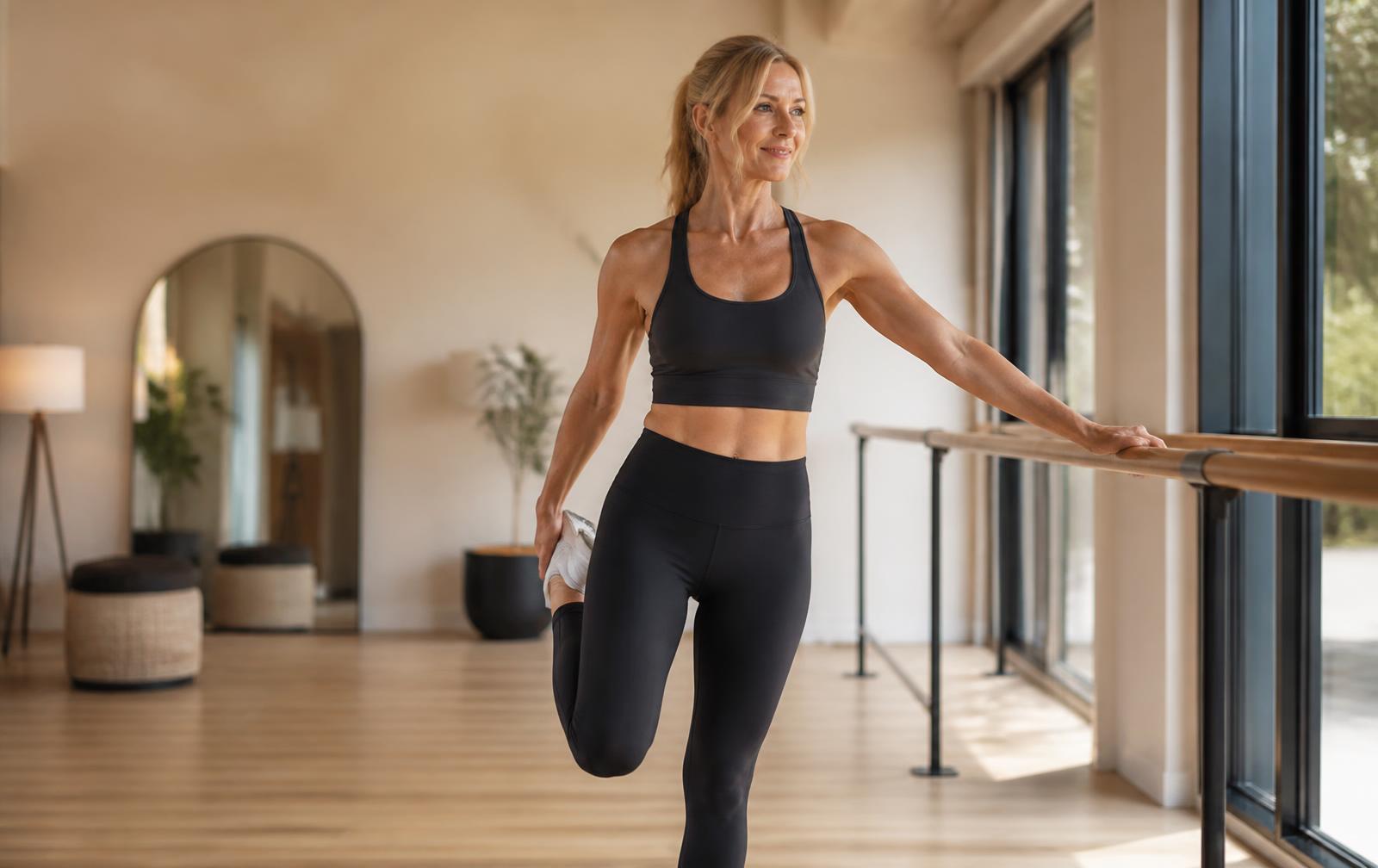
Mobility and Balance Are Different — and You Need Both
Mobility and balance are often mentioned together, but they are not the same thing.
Mobility is your ability to move your joints through useful ranges of motion with control.
Balance is your ability to control your body’s position while standing still or moving.
You need both for everyday life.
They influence your ability to:
- walk confidently
- climb stairs
- get in and out of a chair
- bend and reach
- turn and change direction
- get on and off the floor
- recover if you stumble
- move safely through unfamiliar environments
These abilities can gradually decline if we stop challenging them.
The good news is that both can be trained.
Why Mobility Matters More as We Age
A joint does not need extreme flexibility to be useful.
It needs enough movement to allow you to perform everyday tasks comfortably and safely.
Important areas often include:
- ankles
- hips
- shoulders
- upper back
- knees
Limited movement in one area can sometimes cause another part of the body to compensate.
For example, limited ankle mobility may affect the way you squat, walk, or climb stairs.
Limited hip mobility can change the way you bend, step, or move through daily activities.
The goal is not to become unusually flexible.
The goal is to maintain enough usable movement to keep doing the things you want to do.
Balance Is a Skill
Balance is not simply something you either have or do not have.
It is a physical skill involving several systems working together, including:
- vision
- the inner ear
- sensory information from the feet and joints
- muscular strength
- reaction time
- coordination
Like other physical abilities, balance can improve when it is practiced.
And if it is never challenged, it can gradually decline.
Strength and Balance Work Together
Balance is not just about standing on one leg.
Strength plays a major role.
Strong legs, hips, and core muscles help you control your body when you:
- step off a curb
- climb stairs
- stand up from a low chair
- change direction
- catch yourself after a misstep
This is another reason resistance training is so important for healthy aging.
Strength gives you more physical capacity.
Balance helps you control that capacity.
Why Falls Matter
As we age, preventing falls becomes increasingly important.
A fall can affect far more than the moment itself.
It can lead to injury, reduced confidence, decreased activity, and loss of independence.
That is why balance training should not begin only after someone develops a problem.
It makes more sense to work on balance while you are still moving well.
Think of it as maintaining a skill before you desperately need it.
You Do Not Need Complicated Mobility Routines
Mobility training does not need to involve an hour of stretching.
A few focused movements performed consistently can be enough to make a meaningful difference.
Useful mobility work might include:
- ankle rocks
- hip rotations
- gentle lunges
- controlled bodyweight squats
- shoulder circles
- thoracic rotations
- reaching and bending movements
The key word is control.
Mobility is most useful when you can actively control the range of motion you have.
How to Train Balance
Balance training can begin very simply.
Examples include:
- standing with your feet closer together
- standing in a staggered stance
- standing on one leg while near a stable support
- walking heel-to-toe
- stepping in different directions
- controlled step-ups
- slow direction changes
As balance improves, you can gradually make the task more challenging.
That may include:
- reducing hand support
- narrowing your stance
- increasing movement
- adding light resistance
- changing direction
- performing tasks on one leg
Safety should always come first.
You do not need to practice balance in a way that creates unnecessary fall risk.
Mobility Should Support Your Life
You do not need to chase extreme ranges of motion simply because they look impressive.
Ask yourself instead:
- Can I reach overhead comfortably?
- Can I bend down and pick something up?
- Can I get out of a chair without struggling?
- Can I turn and look behind me?
- Can I climb stairs comfortably?
- Can I get on and off the floor?
- Can I move without feeling stiff and restricted?
Those are useful measures of mobility.
What You Should Actually Do
You do not need a separate hour-long mobility workout every day.
Start by incorporating a few minutes of purposeful movement into your normal routine.
That might include:
- 5 to 10 minutes of mobility before or after exercise
- ankle and hip mobility during warm-ups
- controlled squats or sit-to-stands
- shoulder and upper-back movement
- balance practice near a stable surface
For balance, try practicing a few simple drills several times per week.
Even short sessions can add up.
If you already strength train, include exercises that challenge stability and control.
If you already walk regularly, continue doing so.
Walking, strength training, mobility, and balance support each other.
And remember:
The goal is not to move like you did at 20.
The goal is to keep moving well at 60, 70, 80, and beyond.
Mobility helps you access movement.
Strength helps you produce movement.
Balance helps you control movement.
Together, they help preserve something incredibly valuable:
your independence.
Vince’s Take
“For me, this is what healthy aging is really about.
I want to be strong, but I also want to be able to use that strength. I want to bend, reach, walk, travel, get down on the floor, get back up, and move confidently without constantly thinking about what my body won’t let me do.
That is why mobility and balance matter so much.
We tend to notice these abilities only after we start losing them. I would rather work on keeping them.
You don’t need to perform circus tricks or become a yoga master. You just need to keep asking your body to move, control itself, and stay capable.
The goal is simple: keep as many physical options as possible for as long as possible.”
— Vince Angelo
ISSA Certified Personal Trainer
ISSA Certified Nutritionist
Educational Notice
This article is for educational purposes only and is not medical advice. Individuals with a history of falls, dizziness, neurological conditions, significant joint pain, or other medical concerns should speak with an appropriate healthcare professional before beginning a new mobility or balance program.