
Recovery & Sleep
Sleep as Infrastructure
Light, temperature, timing, and alcohol are the four levers that reliably change how you feel the next morning.

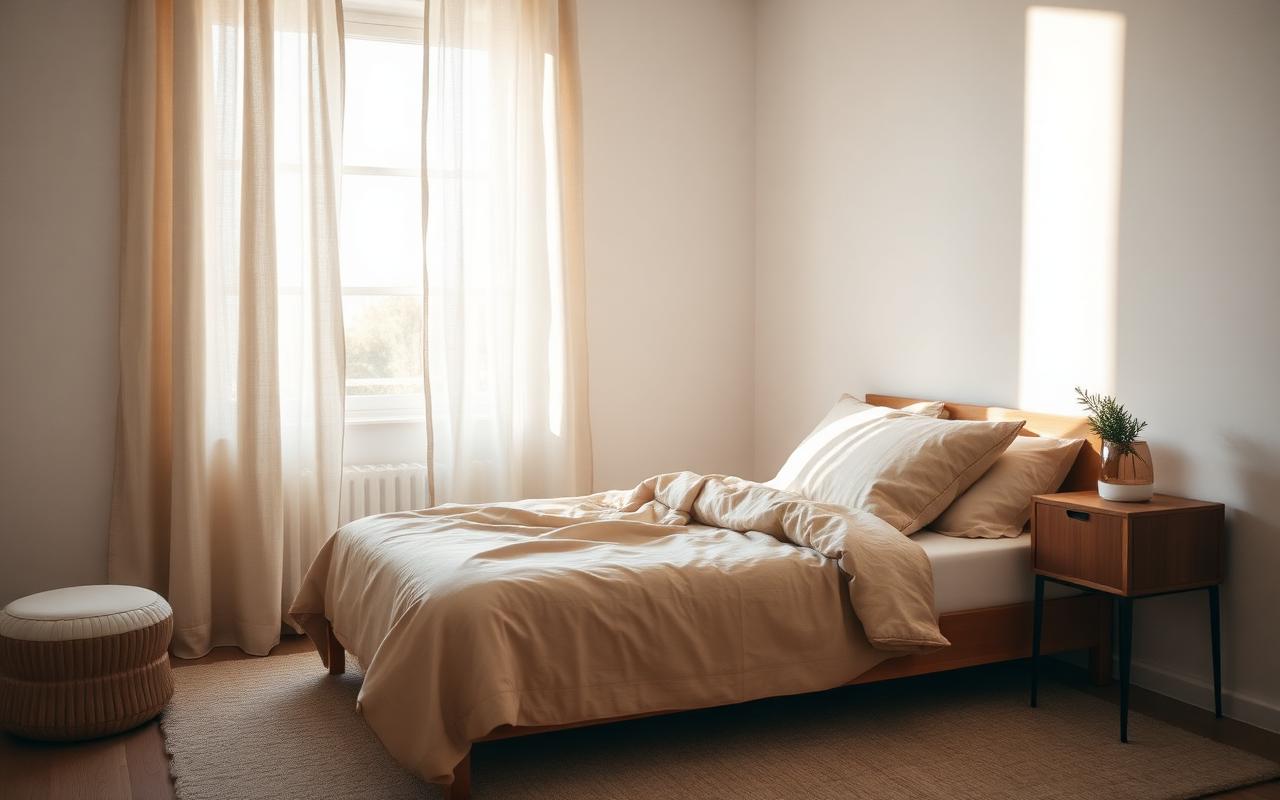
Sleep is not a luxury. It is infrastructure. It is the platform on which training, nutrition, focus, mood, and metabolic health all rest.
You can follow a perfect workout program and eat a thoughtful diet, but if sleep is chronically short or fragmented, the return on that effort is blunted. Recovery slows, appetite regulation drifts, and the mental edge needed to stay consistent becomes harder to hold.
The good news is that sleep responds to a small number of predictable inputs. Light, temperature, timing, and alcohol are the four levers that reliably change how you feel the next morning. Everything else is mostly a rounding error.
You do not need a perfect sleep routine. You need a consistent one that respects how the body actually falls asleep and stays asleep.
Why Sleep Is Infrastructure
Most adults need somewhere between seven and nine hours of sleep, but the number alone is not the whole story. Sleep quality, timing, and regularity matter too.
During sleep, the body consolidates memory, repairs tissue, clears metabolic waste, and resets hormonal systems. Growth hormone pulses, glycogen stores refill, and the nervous system shifts into a recovery state. Short-change this process and the next day shows it: slower reaction time, higher perceived effort, stronger cravings, and lower impulse control.
In midlife and beyond, the cost of poor sleep compounds. Recovery from training takes longer, blood sugar regulation becomes more fragile, and the cognitive reserve we rely on for decision-making narrows. Sleep is not just recovery. It is the foundation that makes the rest of the plan work.
Lever 1: Light
Light is the most powerful signal the body uses to set its internal clock. Morning light tells the brain it is daytime. Evening light, especially the blue wavelengths from phones, tablets, and bright overhead fixtures, tells the brain it is still afternoon.
- Get 10–20 minutes of outdoor light within an hour of waking, even on cloudy days.
- Dim household lights 1–2 hours before bed and switch off overhead fixtures where possible.
- Use night mode or blue-light filters on screens after sunset, or better, put them away entirely.
- Keep the bedroom dark. Blackout curtains or a sleep mask can make a noticeable difference.
The goal is simple: send a clear daytime signal in the morning and a clear nighttime signal in the evening.
Lever 2: Temperature
Sleep onset is tied to a drop in core body temperature. A warm room, heavy bedding, or late evening exercise can delay that drop and make falling asleep harder.
- Keep the bedroom cool, roughly 16–19°C (60–67°F) if you can tolerate it.
- Use breathable bedding and consider a lighter duvet than you think you need.
- Take a warm bath or shower 1–2 hours before bed. The subsequent cooling can help trigger sleepiness.
- Avoid intense workouts in the last two hours before bed if they leave you overheated.
Lever 3: Timing
The body thrives on regularity. Going to bed and waking at wildly different times across the week creates a kind of social jet lag, confusing the circadian rhythm and making it harder to fall asleep when you need to.
- Pick a wake time you can hold most days, including weekends, and build bedtime around it.
- Keep the same sleep window within about an hour, even on days off.
- If you need to shift your schedule, move it gradually by 15–30 minutes per day.
- A short afternoon nap can help, but keep it under 20 minutes and before mid-afternoon.
Consistency usually beats perfection. A regular, slightly shorter sleep window often feels better than an inconsistent longer one.
Lever 4: Alcohol
Alcohol is one of the most common sleep disruptors, especially after 40. It may help you fall asleep faster, but it fragments sleep in the second half of the night, suppresses REM sleep, and worsens breathing and snoring.
- If you drink, finish at least 3–4 hours before bed to allow metabolisation before sleep.
- Keep the amount modest. One drink with dinner is different from drinking right up to bedtime.
- Notice the pattern. Poor sleep after a glass of wine is data, not a moral failing.
For people who wake at 2 or 3 a.m. and cannot get back to sleep, alcohol is often the culprit.
What to Do in the Middle of the Night
Waking briefly during the night is normal. The problem is usually not the wake-up itself, but the anxiety that follows it.
- If you are awake for more than 20–30 minutes, get up and do something calm in dim light.
- Avoid checking the time repeatedly. Turn the clock away from you.
- Do not scroll your phone. The light and stimulation will push sleep further away.
- Return to bed only when you feel sleepy again, not just tired or bored.
This keeps the bed associated with sleep rather than with frustration.
Supplements Are Not a Shortcut
Magnesium glycinate, glycine, and low-dose melatonin can help some people in specific situations, but they do not fix poor sleep hygiene. If the room is too bright, too warm, or your bedtime is irregular, a supplement will not override the problem.
Start with the four levers. Add supplements only after those are stable, and use them as targeted tools rather than nightly crutches.
The Balanced Body Lifestyle Take
“I used to treat sleep like something that happened around the edges of a busy day. Training, work, meals, and finally, if there was time, sleep. That was backwards.
The people I see make the fastest, most sustainable progress are not the ones with the most complex programs. They are the ones who protect their sleep like a non-negotiable appointment. They treat it as infrastructure, not a reward.
You do not need to do everything at once. Pick one lever this week. Maybe it is morning light. Maybe it is the phone at 9 p.m. Maybe it is one less drink. Small changes in sleep hygiene create outsized returns in energy, recovery, and consistency.”
— Vince Angelo
ISSA Certified Personal Trainer
ISSA Certified Nutritionist
The Bottom Line
Sleep is not the cherry on top of a healthy lifestyle. It is the plate everything else sits on.
Light, temperature, timing, and alcohol are the four levers that reliably change how you sleep and how you feel the next day. Address them before chasing supplements, gadgets, or sleep hacks.
You do not need a perfect night every night.
You need a routine that makes a good night the most likely outcome.
Treat sleep as infrastructure, and the rest of your health plan becomes easier to follow.
Educational Notice
The Balanced Body Lifestyle™ provides educational information and is not a substitute for individualized medical advice. Persistent insomnia, loud snoring, gasping during sleep, excessive daytime sleepiness, or other sleep-related concerns should be discussed with a healthcare professional or sleep specialist.