


Nutrition Basics
How to Build a Balanced Meal Without Counting Everything
You do not need an app to eat well. You need a repeatable structure you can apply at home, at a restaurant, or on the road.

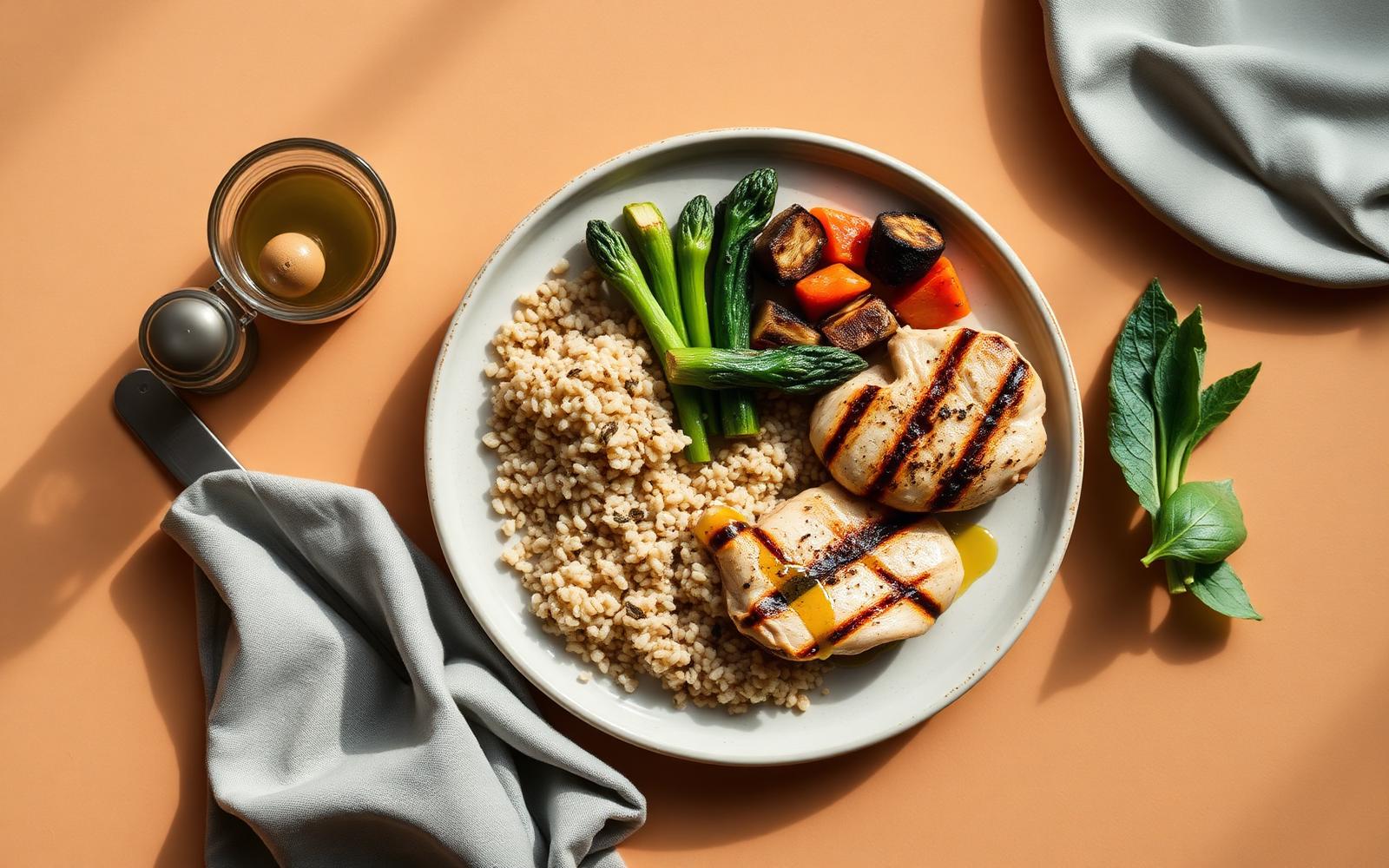
Tracking every gram of food works well for some people. For most, it lasts a few weeks and then quietly stops.
The good news is that the majority of the benefit comes from meal structure, not measurement. If each meal reliably contains enough protein, plenty of plants, an appropriate carbohydrate portion, and some fat, the numbers largely take care of themselves.
A framework you use every day beats a tracking system you abandon in a month.
The Plate Framework
Picture the plate in three parts, then add fat and fluid.
- Protein first: roughly a palm to a palm and a half, or about a quarter of the plate
- Vegetables and fruit: about half the plate, aiming for color and variety
- Carbohydrate: about a quarter of the plate, sized to how active your day is
- Fat: a thumb or two of olive oil, avocado, nuts, or cheese for flavour and satiety
- Fluid: water most of the time
This structure works for a home-cooked dinner, a restaurant order, a work canteen, or a plate assembled from leftovers.
Start With Protein, Every Time
Protein is the anchor. It supports muscle maintenance, keeps you full, and is the item most people under-eat, particularly at breakfast and lunch.
Reliable options:
- Chicken, turkey, lean beef, or pork
- Fish and seafood, including tinned tuna and salmon
- Eggs and egg whites
- Greek yogurt, cottage cheese, and milk
- Beans, lentils, tofu, tempeh, and edamame
- A quality protein powder when convenience matters
Aim for a solid protein source at each of your main meals rather than one large serving at dinner.
Adjust the Plate to the Day
The framework is not rigid. The carbohydrate portion is the dial you turn most often.
- Training day or a long walk: a fuller carbohydrate portion
- Desk-bound, low-activity day: a smaller carbohydrate portion, more vegetables
- Trying to lose body fat: keep protein and vegetables generous, moderate carbohydrate and fat
- Trying to gain muscle: increase carbohydrate portions and add a snack, keep protein high
Nothing is removed. The proportions simply shift.
Eating Out and Real Life
The same rules apply when you are not the one cooking.
- Choose the dish built around a clear protein source
- Ask for an extra vegetable side in place of a second starch
- Take sauces and dressings on the side when they are the main source of added fat
- Slow down and stop at comfortably satisfied rather than full
- Treat a large meal as one meal, not a reason to restart on Monday
Consistency, not precision, is what shows up in how you look, feel, and perform six months from now.
Related reading: Protein: How Much Do You Really Need?
The Balanced Body Lifestyle Take
“I am not against tracking. It can be a useful education for a few weeks, and some people genuinely enjoy it.
But I have never met anyone who kept it up for twenty years, and twenty years is the timeframe I care about.
Learn what a proper protein portion looks like on your plate. Fill half the plate with plants. Adjust the starch depending on what kind of day you had.
Do that most days and you will be ahead of nearly everyone still arguing about diets.”
— Vince Angelo
ISSA Certified Personal Trainer
ISSA Certified Nutritionist
The Bottom Line
A balanced meal is a protein source, a generous amount of vegetables or fruit, a carbohydrate portion matched to your activity, and some fat for flavour and satisfaction.
Repeat that structure most of the time and you will not need to count much of anything.
Build the plate. Let the numbers follow.
Educational Notice
The Balanced Body Lifestyle™ provides educational information and is not a substitute for individualized medical or nutritional advice. Anyone with a medical condition, food allergies, a history of disordered eating, or specific dietary requirements should work with an appropriate healthcare professional.