Healthy Aging
What Actually Changes After 50, and What You Can Still Control
Some changes are real biology. Many are the result of thirty years of habits. Knowing the difference is where progress starts.
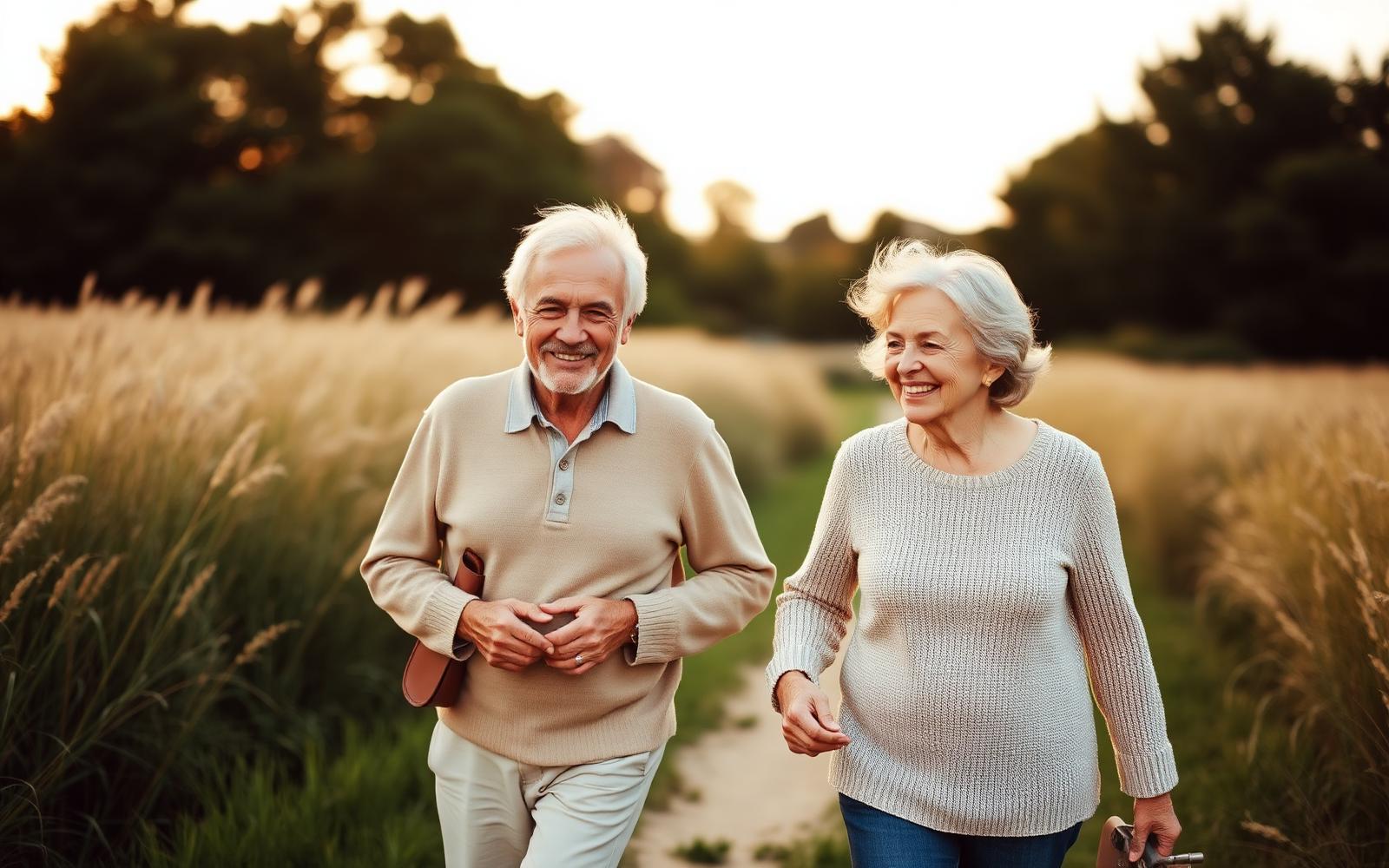
Turning fifty tends to come with a set of assumptions: that metabolism collapses, that strength is gone, that the body simply will not respond the way it used to.
Some of that is true. A great deal of it is not.
The honest picture is more encouraging than the popular one, but it does ask something of you. Certain things that were once automatic now have to be intentional.
After fifty, health is less about what your body does for you and more about what you consistently do for it.
What Genuinely Changes
Muscle mass declines without stimulus. Adults lose muscle progressively from midlife onward, and the body becomes somewhat less responsive to protein and training. It still responds. It just needs a clearer signal.
Bone density decreases. This accelerates for women around menopause and continues gradually for men. Loading the skeleton through resistance training and impact matters more each year.
Recovery takes longer. Tendons, joints, and connective tissue tolerate less abrupt change. Volume and progression need more thought.
Hormones shift. Estrogen, testosterone, and growth hormone all decline with age, influencing body composition, recovery, and sleep.
Sleep architecture changes. Deep sleep decreases and sleep becomes lighter and more fragmented.
Balance and reaction time decline. Unless practiced, they quietly erode, which is why fall risk rises with age.
What Gets Blamed on Age Unfairly
A meaningful share of what people call “getting old” is actually decades of accumulated inactivity, undereating protein, poor sleep, and stress.
- Metabolism does not fall off a cliff at 50; total daily energy expenditure declines gradually, and much of that is lost muscle and reduced movement
- Weight gain is more often about activity, portion drift, and alcohol than about age itself
- Stiffness usually reflects how little the joints have been moved through full range, not permanent damage
- Low energy is frequently sleep, stress, hydration, or under-eating rather than an inevitable decline
- Losing strength is not automatic; untrained adults lose it, trained adults hold on to far more
Research on older adults consistently shows that strength and function improve with training well into the seventies, eighties, and beyond.
Where Your Effort Pays the Most
If you only focused on five things, these would be the five.
- Strength train two to three times a week, covering the whole body
- Eat enough protein, spread across meals rather than stacked at dinner
- Walk daily, and add some brisk work each week
- Protect sleep as seriously as you protect training
- Practice balance and full range of motion deliberately
Alongside those, keep up regular medical screening. Blood pressure, cholesterol, blood sugar, bone density where appropriate, and cancer screening all become more valuable with each decade.
Redefining the Goal
The goal after fifty is rarely to look like you did at twenty-five. It is to remain capable, mobile, independent, and confident in your own body.
Useful markers of success:
- Standing up from the floor without using your hands
- Carrying groceries or luggage without planning around it
- Walking several miles comfortably
- Sleeping well most nights
- Feeling steady on uneven ground
Related reading: Mobility & Balance: The Abilities You Don't Want to Lose
The Balanced Body Lifestyle Take
“I hear people write themselves off in their fifties all the time, and it bothers me every single time.
Yes, things change. Recovery is slower. You cannot be careless the way you were at twenty-five. That is real, and I would never pretend otherwise.
But the people I work with who commit to strength, protein, walking, and sleep do not decline quietly. They get stronger. They stand taller. They stop worrying about stairs and suitcases.
Age is not the thing holding most people back. Doing nothing about it is.”
— Vince Angelo
ISSA Certified Personal Trainer
ISSA Certified Nutritionist
The Bottom Line
Real changes happen after fifty, and they deserve respect rather than denial. But most of what determines how the next thirty years feel is still in your hands.
Train, eat, sleep, move, and get checked. That list does not get old.
You cannot stop aging. You can change how well you do it.
Educational Notice
The Balanced Body Lifestyle™ provides educational information and is not a substitute for individualized medical advice. Age-related symptoms should never be assumed to be “just age.” Discuss new or persistent changes in energy, weight, memory, balance, or pain with an appropriate healthcare professional.